
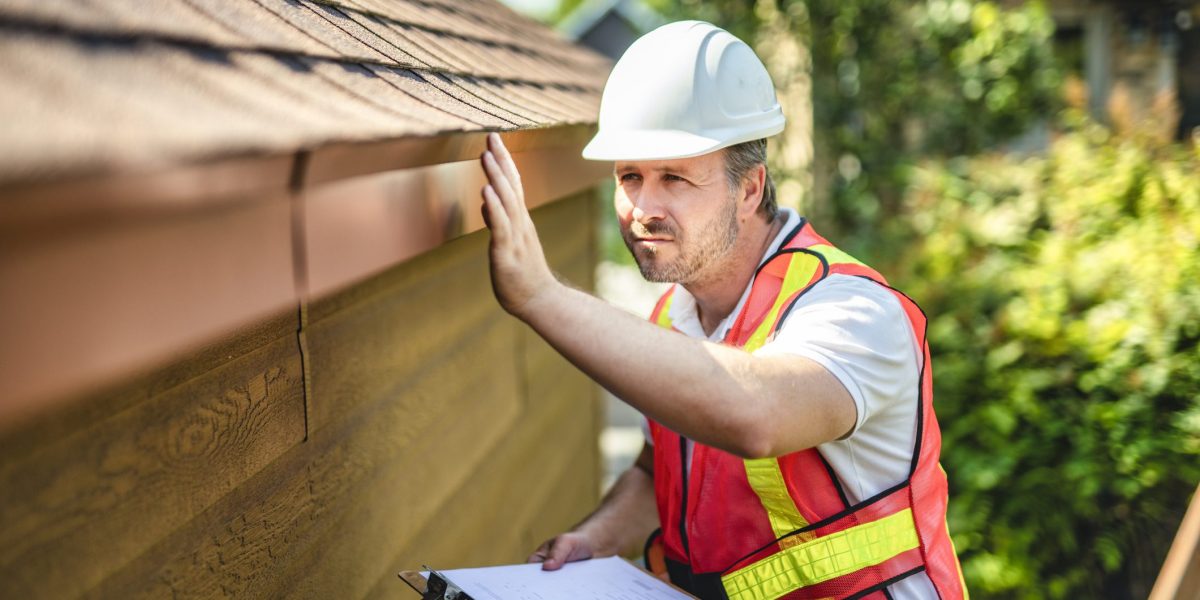
Your roof protects everything beneath it. In a city like London, where buildings face constant exposure to rain, wind, pollution and temperature changes, even small roofing issues can develop quickly. Many property owners only take action once a leak appears, but by that stage damage often extends beyond the roof covering itself.
We carry out roof inspections across London for homeowners, landlords and commercial property managers who want clarity, prevention and long-term protection. This guide explains when you should book a roof inspection, what a professional survey involves, and how early intervention can save significant cost and disruption.
Why regular roof inspections matter in London
London’s architecture is varied and complex. From period terraces and mansion blocks to modern commercial units and flat roofs, each roof type reacts differently to weather and age. Heavy rainfall, blocked drainage, thermal movement and general wear can all compromise roofing materials over time.
A professional inspection allows us to identify early warning signs before they escalate into structural damage, internal water ingress or emergency repairs. Planned inspections also support maintenance budgets, insurance requirements and property valuations.
Many of our clients book inspections as part of routine property management rather than in response to a visible fault. This proactive approach helps avoid unplanned downtime and costly remedial works.
You can find more detail on our inspection process on our dedicated Roof Inspections in London page.
Signs you should book a roof inspection
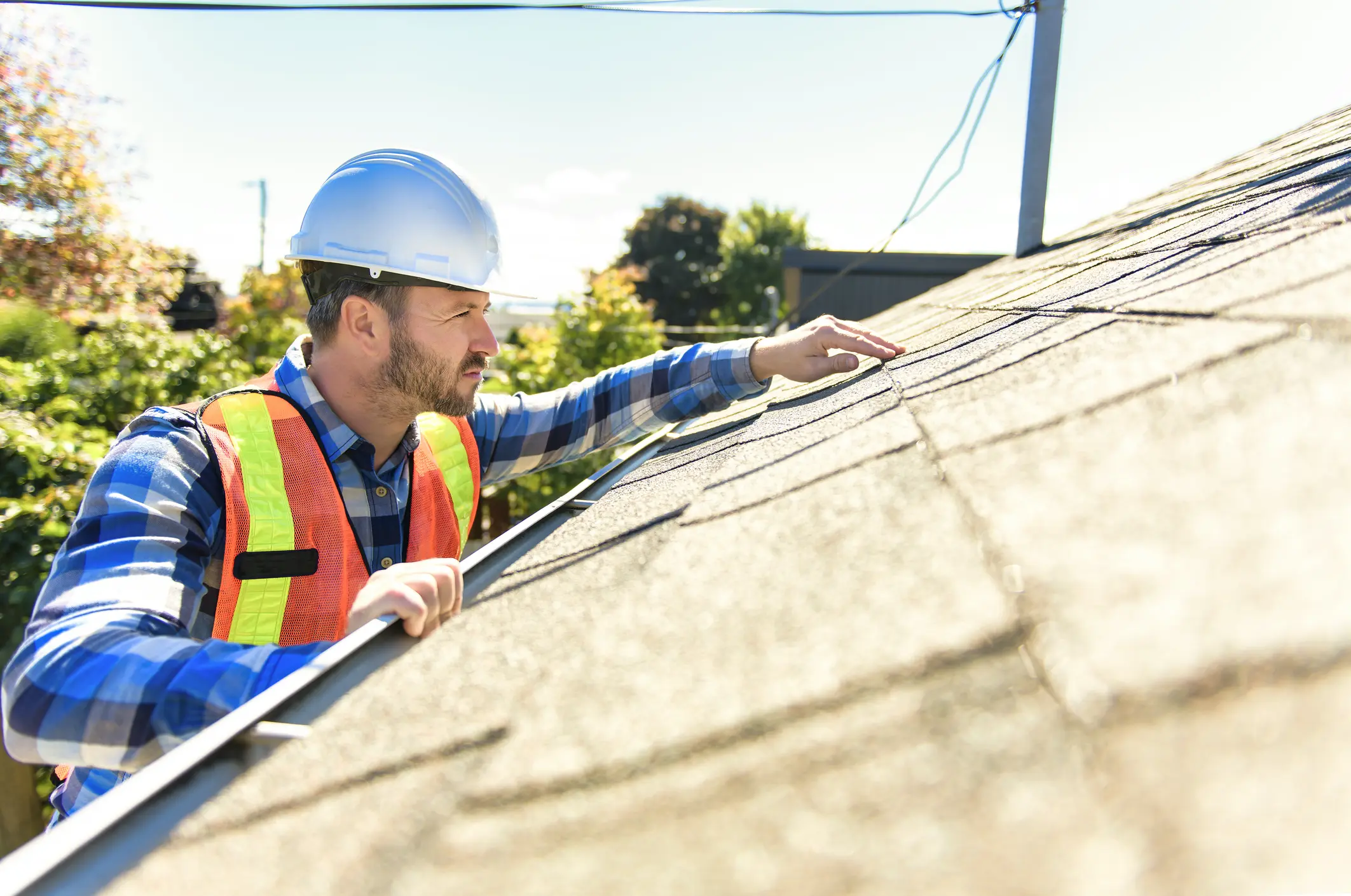
Some roof defects develop silently, while others present clear warning signs. If you notice any of the following, a professional inspection should be arranged without delay.
Visible water ingress or staining
Water marks on ceilings, damp patches on walls, peeling paint or mould growth often indicate a roofing issue. The point where water enters is rarely directly above the visible damage, which makes professional assessment essential.
Our inspections often work alongside specialist Leak Detection in London services to accurately trace the source of ingress.
Cracked, loose or missing materials
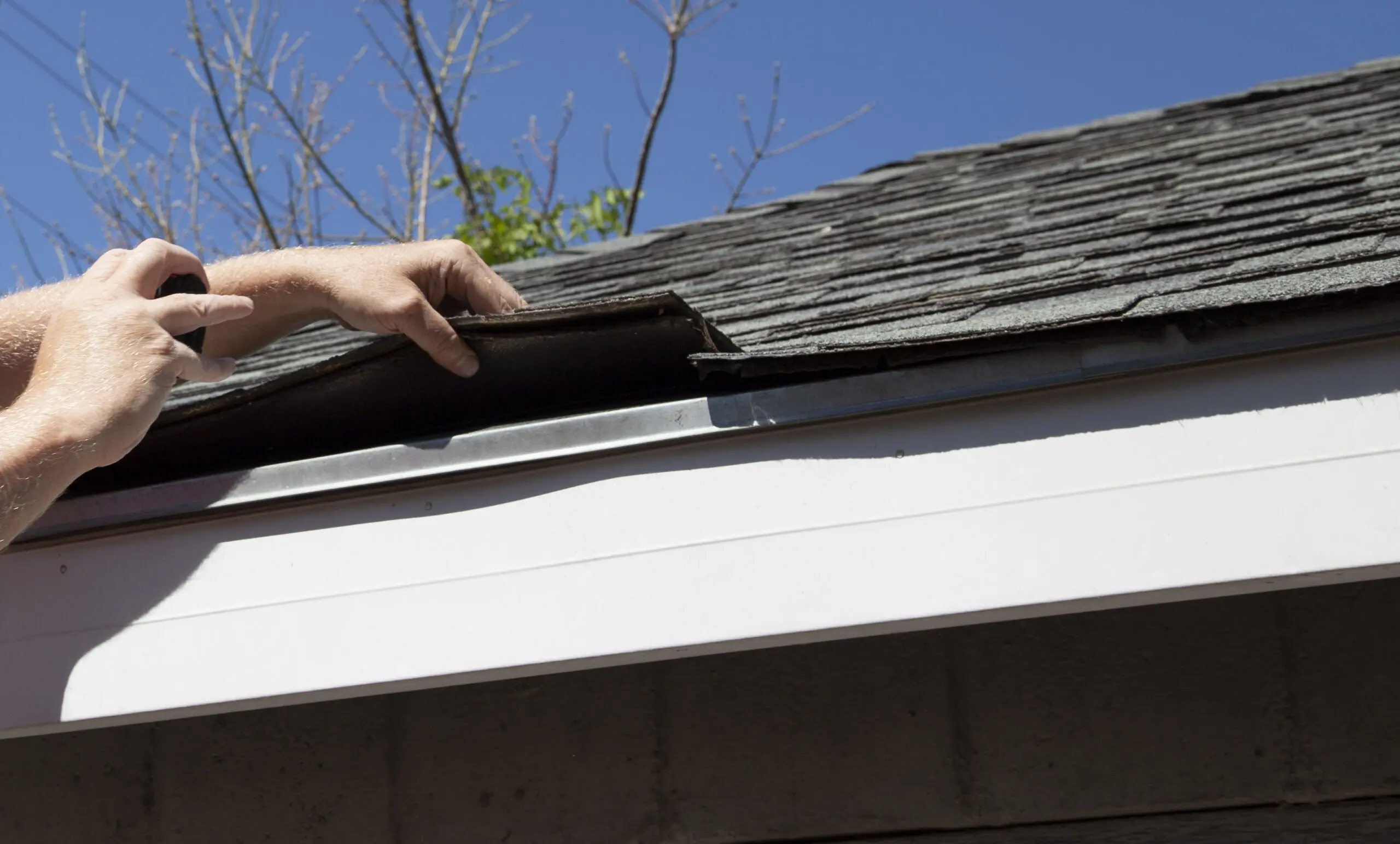
Slipped tiles, cracked membranes, blistering felt or lifting flashings can all allow water penetration. These issues may appear minor but often indicate wider deterioration beneath the surface.
Blocked outlets and poor drainage
Standing water on flat roofs is a common issue in London. Blocked outlets, inadequate falls or damaged drainage can shorten roof lifespan and increase leak risk.
Rising energy costs or cold spots
Heat loss through the roof can significantly affect energy efficiency. Cold areas, inconsistent internal temperatures or unexplained increases in heating bills may signal insulation defects or moisture saturation.
We use Thermal Imagery in London services during inspections to identify hidden heat loss and moisture without invasive investigation.
After extreme weather
High winds, heavy rain or snow place roofs under additional stress. Even if no immediate damage is visible, post-weather inspections often reveal loosened components or water tracking that would otherwise go unnoticed.
When should you schedule a roof inspection?
Timing matters. While emergency inspections are sometimes unavoidable, planned surveys offer far greater control.
Routine inspections
For most properties, we recommend inspections at least once every twelve months. Commercial buildings and flat roofs often benefit from biannual inspections due to higher exposure and foot traffic.
Routine surveys allow us to monitor gradual changes and recommend maintenance before defects worsen.
Before buying or selling a property
A roof survey provides clarity during transactions. Buyers gain confidence, while sellers avoid late-stage renegotiations caused by unexpected defects.
Our Roofing Surveys in London are frequently used as part of pre-purchase and condition reports.
Before major works or refurbishments
If you are planning extensions, solar installations or internal refurbishment, a roof inspection ensures the existing structure can support future changes.
After previous repairs
If you have experienced repeat issues or have concerns about past workmanship, an independent inspection helps confirm whether repairs have resolved the underlying problem.
What a professional roof inspection involves
A professional roof inspection is far more than a visual glance from ground level. Our inspections follow a structured process designed to assess condition, performance and risk.
Safe access and surface assessment
We assess the roof covering, junctions, flashings, upstands, penetrations and drainage points. This includes checking for movement, splits, deterioration and signs of previous repairs.
Internal inspection
Where accessible, we inspect roof voids and internal ceilings to identify moisture ingress, insulation issues and structural concerns.
Advanced diagnostics
We often deploy thermal imaging and moisture detection equipment to locate hidden defects. This allows accurate diagnosis without unnecessary disruption.
Photographic reporting
Clear imagery supports transparent reporting. Clients receive evidence of defects, areas of concern and recommended actions.
Clear recommendations
Every inspection concludes with practical advice. We prioritise defects by urgency and provide guidance on repair, maintenance or monitoring.
More information about our approach can be found on our main website:
https://lws-limited.co.uk/
Roof inspections for residential and commercial properties
Different properties require different inspection approaches.
Residential roof inspections
Homeowners and landlords benefit from early identification of wear, particularly on older London housing stock. Inspections help protect interiors, maintain property value and support long-term maintenance planning.
Commercial roof inspections
Commercial roofs often accommodate plant equipment, foot traffic and complex drainage. Regular inspections help meet compliance obligations and reduce operational risk.
Our experience across domestic and commercial sectors allows us to tailor inspections to each property’s use and construction.
How inspections prevent costly repairs
One of the most common concerns we hear is cost. In reality, inspections reduce long-term expenditure.
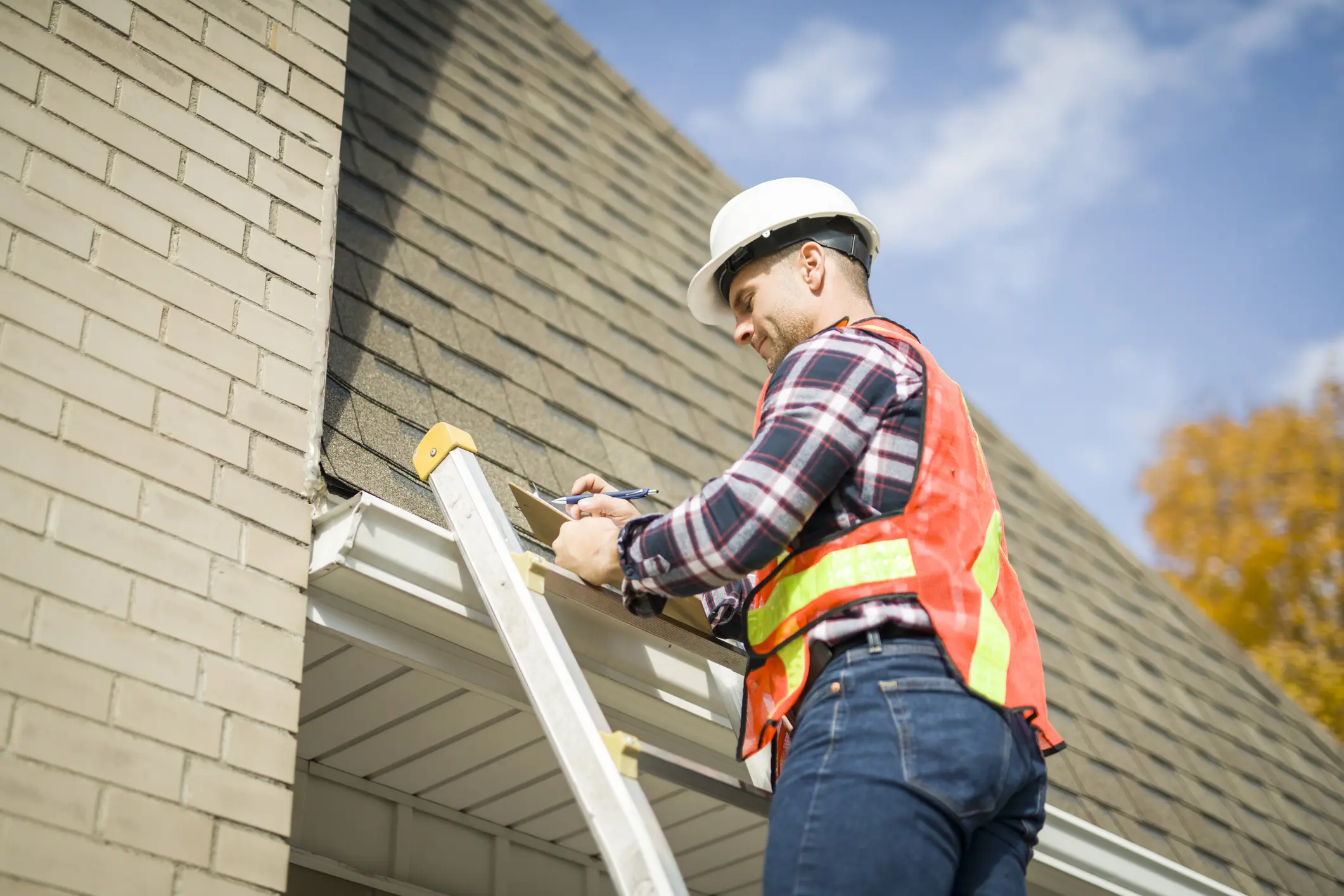
Early identification of minor defects allows targeted repairs rather than large-scale remedial works. Preventative maintenance extends roof lifespan, protects internal finishes and avoids emergency call-outs.
Inspections also support insurance claims by providing documented evidence of condition and maintenance history.
Choosing the right roofing inspection specialist
Not all inspections deliver the same value. Experience, diagnostic capability and reporting clarity matter.
When choosing a contractor, look for:
- Proven experience with London properties
- Access to advanced diagnostic tools
- Clear written and photographic reports
- Practical, unbiased recommendations
We combine all of these elements to deliver inspections that support informed decision-making.
Booking a roof inspection in London
If you are unsure about your roof’s condition, a professional inspection provides certainty. Whether you manage a single home or a portfolio of properties, early insight protects your investment.
You can explore our full range of inspection and survey services at:
https://lws-limited.co.uk/
To discuss your property or arrange an inspection, contact our team directly:
https://lws-limited.co.uk/contact/

