
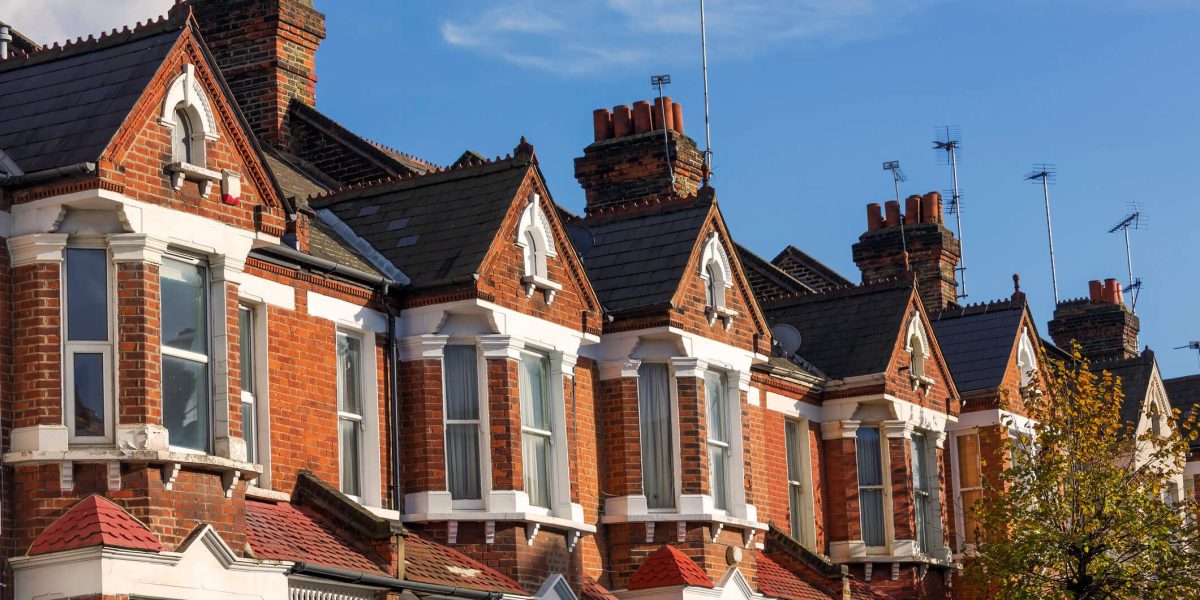
Your roof protects your home every day. It faces rain, wind and frost throughout the year. You need to know how long it should last so you can plan repairs or replacement at the right time.
At LDN Watertight Solutions, we help homeowners across the UK understand the condition of their roofs and take action before small issues become costly problems. This guide explains realistic roof lifespans, what affects them and how you can extend the life of your roof.
What Is the Average Lifespan of a Roof in the UK?
Most roofs in the UK last between 20 and 100 years depending on the material, installation quality and ongoing maintenance.
Here is a clear breakdown of common roofing materials and their expected lifespan:
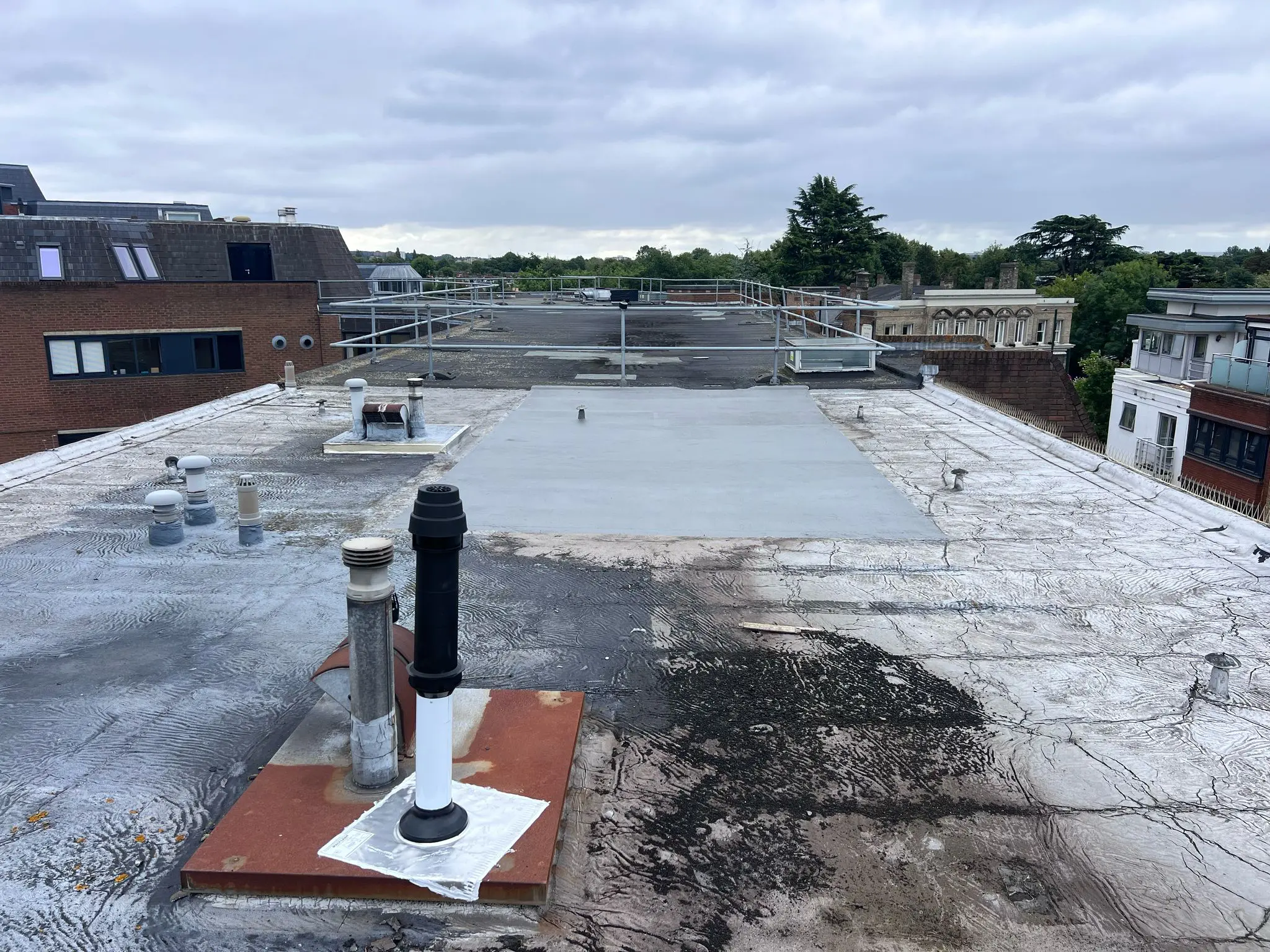
- Asphalt felt flat roofs: 10 to 20 years
- GRP fibreglass flat roofs: 20 to 30 years
- EPDM rubber roofs: 25 to 50 years
- Concrete roof tiles: 40 to 60 years
- Clay roof tiles: 60 to 100 years
- Natural slate roofs: 75 to 150 years
If your roof sits within these ranges, it may still be performing as expected. If it exceeds them, you should arrange a professional inspection.
Why Do Roof Lifespans Vary So Much?
No two roofs age at the same rate. Even properties on the same street can show different levels of wear.
Several key factors influence how long your roof lasts.
How Does the UK Climate Affect Your Roof?
The UK climate places constant pressure on roofing materials. Heavy rainfall, strong winds and freezing temperatures all contribute to wear over time.
Water is the biggest threat. It can seep into small cracks, freeze, expand and weaken the structure. Wind can lift tiles or damage flashing, allowing moisture to enter.
If your roof faces frequent exposure to harsh weather, it will likely age faster.
Does Installation Quality Make a Difference?
Yes, installation quality plays a major role.
A properly installed roof with correct ventilation, secure fixings and high-quality materials will last significantly longer than a poorly installed one.
Common installation issues include:
- Incorrect tile alignment
- Poor flashing around chimneys and joints
- Inadequate ventilation leading to condensation
- Weak underlay or membrane
If your roof was not installed correctly, you may need early intervention through our roof repair services to prevent further damage.
How Does Maintenance Impact Roof Lifespan?
Regular upkeep can add years to your roof’s life.
Ignoring minor issues allows them to develop into major structural problems. A slipped tile or blocked gutter may not seem urgent but it can lead to leaks, rot and internal damage.
We recommend regular checks and professional assessments to keep your roof performing as it should. Booking regular roof inspections helps you identify issues early and avoid costly repairs.
What Are the Signs Your Roof Is Reaching the End of Its Life?
Even the best roof will eventually need replacement. You need to recognise the warning signs early.
Are You Seeing Visible Damage on Your Roof?
Look for these signs:
- Cracked, broken or missing tiles
- Sagging areas along the roofline
- Moss growth holding moisture against tiles
- Worn or missing ridge tiles
These indicate that your roof structure or surface materials are deteriorating.
Are You Experiencing Leaks or Damp Inside Your Property?
Internal signs often appear before external damage becomes obvious.
Watch for:
- Water stains on ceilings or walls
- Damp patches in the loft
- Mould growth or musty smells
If you notice any of these, you may need urgent support through our roof repair services to prevent further structural damage.
Is Your Roof Over 30 Years Old?
Age alone does not mean failure but it increases the risk of issues.
If your roof is over 30 years old and has not had significant maintenance or upgrades, you should arrange a professional inspection.
We can assess whether you need repairs or a full replacement through our new roof installation services based on its current condition.
Can You Extend the Life of Your Roof?
Yes, you can take practical steps to extend your roof’s lifespan and avoid premature replacement.
How Often Should You Inspect Your Roof?
You should check your roof at least twice a year, ideally in spring and autumn.
You should also inspect it after severe weather events.
If you prefer a professional approach, our roof surveys give you a detailed understanding of your roof’s condition with clear next steps.
Should You Keep Gutters and Drainage Clear?
Blocked gutters cause water to back up and overflow onto your roof.
This leads to:
- Rotting fascia boards
- Water ingress under tiles
- Increased structural stress
Regular gutter cleaning protects your entire roofing system.
Does Moss and Debris Need to Be Removed?
Moss holds moisture against your roof surface. Over time, this weakens tiles and increases the risk of leaks.
We recommend safe removal through professional cleaning rather than DIY methods that can cause damage.
When Should You Repair Instead of Replace?
Not every issue requires a full replacement.
You can often extend your roof’s life with targeted repairs.
Are Localised Repairs Enough?
If damage is limited to a small area, repairs can restore performance without replacing the entire roof.
This includes:
- Replacing damaged tiles
- Repairing flashing
- Fixing small leaks
Our roof repair services address these issues quickly and effectively.
When Does a Full Roof Replacement Make More Sense?
Replacement becomes the better option when:
- Damage affects large sections of the roof
- Repairs become frequent and costly
- The roof structure shows signs of failure
- The roof has reached or exceeded its expected lifespan
In these cases, a new roof provides long-term reliability and better value.
What Type of Roof Lasts the Longest in the UK?
Natural slate offers the longest lifespan. It can last over 100 years when installed correctly.
Clay tiles also provide excellent durability and perform well in the UK climate.
Flat roofing systems have improved in recent years. Modern materials such as EPDM and GRP offer far better longevity than older felt systems.
We help you choose the right material through our new roof installation services ensuring it suits your property and budget.
How Do You Know the True Condition of Your Roof?
You cannot always assess your roof from ground level.
Hidden issues often develop beneath the surface, including:
- Underlay deterioration
- Timber rot
- Insulation problems
- Ventilation issues
A professional inspection gives you a clear understanding of your roof’s condition.
At LDN Watertight Solutions, we provide honest assessments and practical recommendations based on your roof’s structure and age.
Why Should You Act Before Problems Get Worse?
Delaying action increases repair costs and risks further damage to your property.
A small leak can develop into:
- Structural timber damage
- Internal ceiling collapse
- Electrical hazards
- Increased heating costs due to poor insulation
Taking early action protects your home and avoids unexpected expenses.
What Should You Do Next?
If you are unsure about your roof’s condition, now is the time to act.
We offer expert inspections, repairs and full replacements across London and the UK. You get clear advice, reliable workmanship and long-term protection for your property.
Contact us at LDN Watertight Solutions today to arrange a professional roof assessment and make sure your roof lasts as long as it should.

