
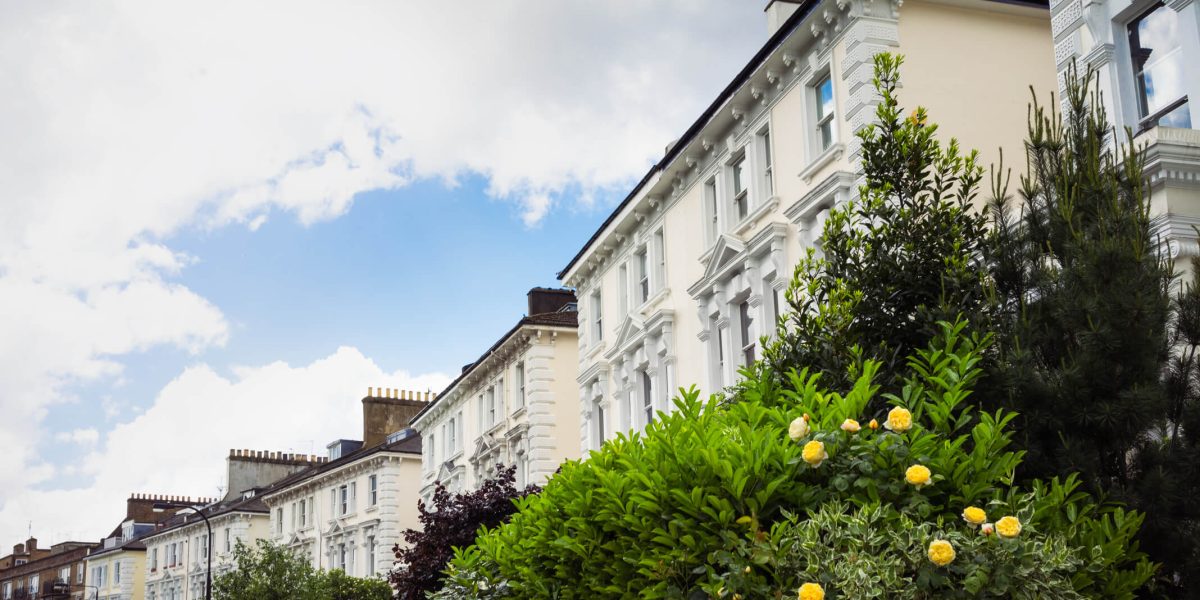
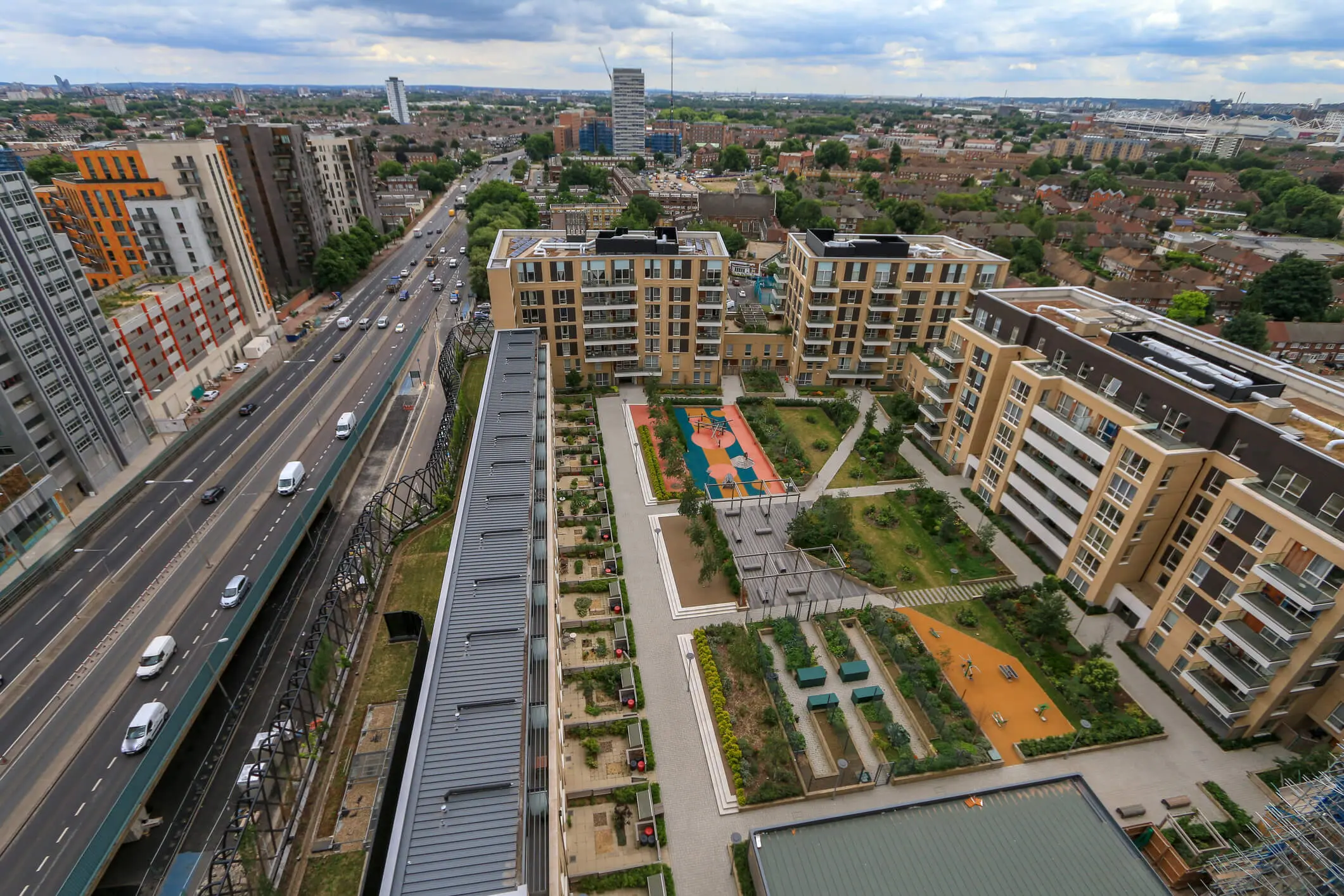
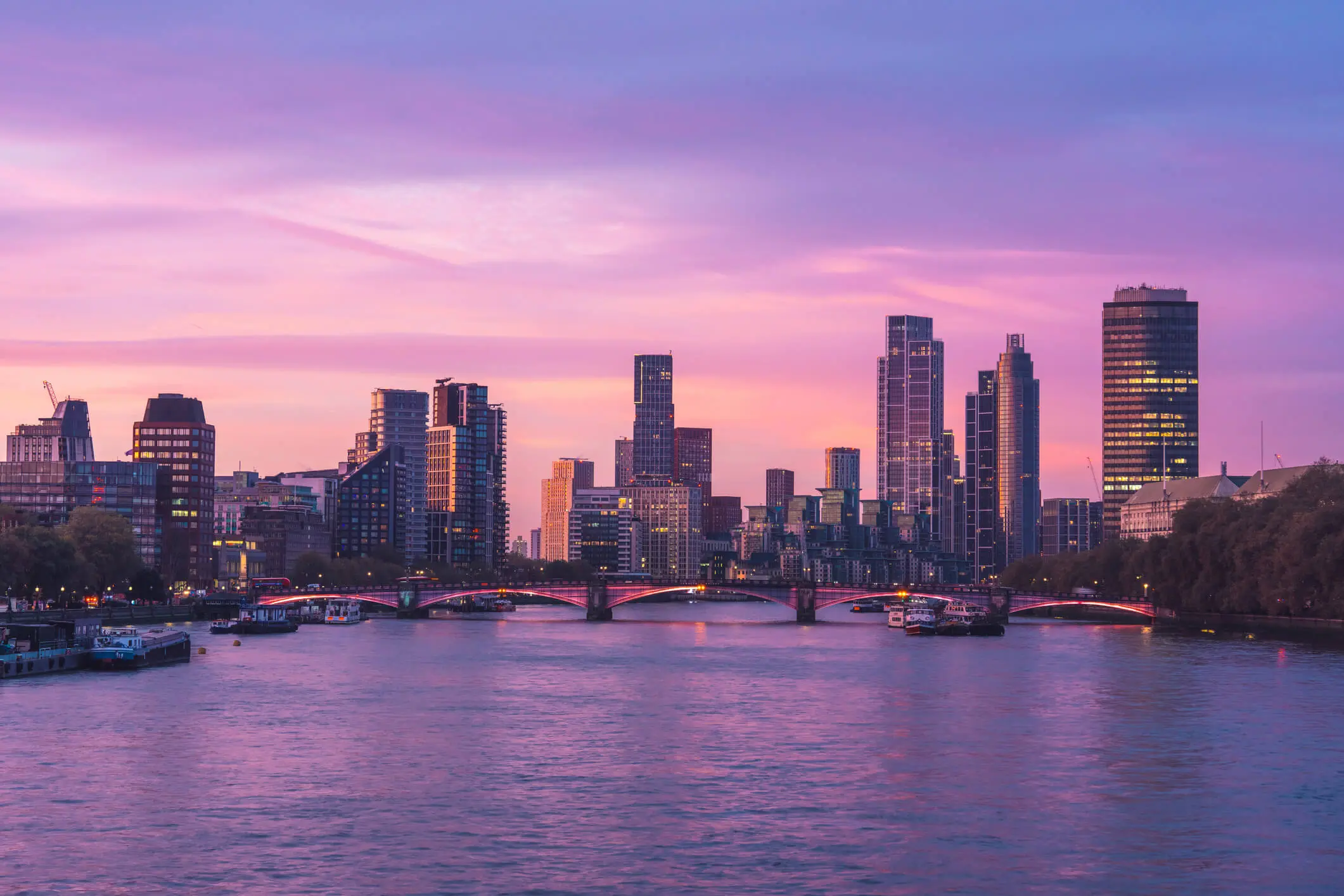
London’s skyline tells a story. Victorian terraces line residential streets. Post war developments sit beside converted warehouses. Glass fronted office buildings rise above older brick structures. Across every era, one roofing style appears again and again. The flat roof.
At LDN Watertight Solutions, we work on flat roofing systems across London’s diverse property types. From period homes to contemporary extensions and commercial units, flat roofs play a practical and architectural role. When designed and installed correctly, they suit both historic character and modern design.
In this guide, we explain how flat roofing fits Victorian and modern London architecture and why it remains one of the most versatile roofing solutions in the capital.
Why Do So Many London Buildings Have Flat Roofs?
Flat roofing in London has long been used for practical reasons. Dense urban planning limits space. Buildings sit close together. Rear extensions, dormers and commercial premises require efficient roofing solutions that maximise usable space.
Flat roofs provide a compact, cost effective option. They support rooftop access, house plant equipment and allow for extensions without altering the main roofline dramatically.
In Victorian London, flat roofs commonly appeared on rear additions, bay windows and small outbuildings. In modern London, they form the basis of entire structures.
The key difference lies in materials and detailing. Today’s flat roofing systems offer far greater durability, insulation and waterproofing performance than earlier felt based systems.
How Do Flat Roofs Complement Victorian Terraces?
Victorian terraces define much of London’s residential landscape. These properties typically feature pitched main roofs with slate or tile coverings. However, many include flat roof sections at the rear.
Rear kitchen extensions, bathroom additions and converted outbuildings often rely on flat roofing. When replacing or upgrading these sections, the design must respect the character of the property.
A well designed flat roof should sit discreetly behind parapet walls or below existing rooflines. Clean detailing ensures that it does not visually compete with original architectural features.
At LDN Watertight Solutions, we regularly install modern flat roofing systems on Victorian homes. We ensure insulation meets current regulations while maintaining the building’s external appearance.
You preserve heritage character while improving thermal performance and waterproofing reliability.
Can Flat Roofs Work on Period Conversions?
Many London Victorian houses now operate as converted flats. These properties often include roof terraces or dormer extensions with flat roofing.
In these cases, structural integrity and waterproofing become critical. Multiple residents rely on the same roof system. A leak affects more than one household.
We approach these projects with careful assessment. We inspect deck condition, drainage falls and existing insulation. We upgrade materials where required to ensure compliance with current standards.
Modern membranes such as liquid applied systems and reinforced bituminous layers provide long lasting protection. When installed correctly, they deliver durability without altering the visual character of the building.
Why Are Flat Roofs Popular in Modern London Homes?
Contemporary architecture often embraces flat roof design as a defining feature rather than a secondary element.
New build homes and modern extensions frequently use flat roofs to create sharp lines and minimalist forms. Architects favour the clean horizontal profile that flat roofing provides.
Flat roofs also support rooftop terraces and green roofs. In areas where garden space remains limited, this offers valuable outdoor living space.
Modern flat roofing systems provide strong insulation performance. Warm roof construction reduces heat loss in winter and limits heat gain in summer. This aligns with current energy efficiency expectations.
For homeowners investing in modern design, flat roofing supports both aesthetic ambition and practical performance.
How Do Flat Roofs Support London Extensions?
Rear and side return extensions remain common across London. Homeowners seek to increase living space without relocating. Flat roofs offer flexibility in these projects.
A flat roof allows for large rooflights. Natural light floods into open plan kitchen and dining areas. Slim sightlines create a strong connection between indoor and outdoor space.
Structural steel can support wider spans beneath flat roofs. This reduces the need for internal supports and allows for open layouts.
We work closely with builders and architects to ensure the roofing system integrates seamlessly with the extension design. Proper drainage falls and edge detailing prevent standing water and long term damage.
The result is a practical and visually consistent addition to the property.
Do Flat Roofs Suit Commercial London Architecture?
London’s commercial sector relies heavily on flat roofing. Office blocks, retail units and industrial buildings typically use flat or low pitch systems.
These roofs support plant equipment such as air handling units and solar panels. They provide safe access for maintenance teams. They allow for flexible building footprints in tight urban plots.
Modern commercial flat roofing systems prioritise durability and minimal maintenance. High performance membranes resist UV exposure and weathering.
At LDN Watertight Solutions, we design flat roofing systems that accommodate heavy foot traffic and mechanical installations. You gain long term reliability with reduced disruption to business operations.
How Do Modern Materials Improve Flat Roofing in Historic Areas?
Earlier flat roofs often suffered from poor drainage and limited lifespan. Advances in materials have changed that.
Today’s systems include reinforced membranes, liquid applied waterproofing and advanced insulation boards. These materials provide improved resistance to movement and temperature change.
In conservation areas, visual impact remains important. We ensure that new flat roofing blends with existing structures. Parapet detailing, coping stones and concealed drainage maintain the building’s character.
You achieve modern performance without compromising planning requirements.
What Role Does Insulation Play in London Flat Roofing?
Insulation standards have tightened significantly over recent decades. Many older flat roofs lack adequate thermal protection.
Upgrading to a warm roof system improves energy efficiency and internal comfort. Insulation sits above the structural deck, reducing cold bridging and condensation risk.
For Victorian properties and modern homes alike, this improves long term performance. It also supports compliance with building regulations.
We assess each roof individually. We recommend insulation thickness and construction type based on your property’s structure and intended use.
Are Flat Roofs Durable in London’s Climate?
London’s climate brings frequent rainfall, seasonal temperature shifts and occasional snow. A flat roof must handle all of these conditions.
Proper design ensures that water drains effectively. Even though the surface appears level, it includes subtle falls to direct rain towards outlets.
Modern membranes resist cracking and UV damage. Liquid roofing systems create seamless barriers that reduce weak points around joints and penetrations.
With correct installation and routine inspection, flat roofs provide dependable performance for many years.
How Do You Maintain Architectural Consistency with Flat Roofing?
Whether you own a Victorian terrace or a contemporary townhouse, roofing should complement the overall design.
We focus on clean detailing. We ensure that flashings, upstands and edges integrate neatly with brickwork and render finishes.
Where rooftop access forms part of the design, we incorporate appropriate surfacing and safety measures.
The aim remains simple. Your flat roof should perform effectively while fitting naturally within London’s architectural landscape.
Why Choose LDN Watertight Solutions for Flat Roofing in London?
Flat roofing demands precision. Poor installation leads to leaks and costly repairs. At LDN Watertight Solutions, we bring experience across residential and commercial properties.
We understand London’s building types. We understand planning considerations. We install systems that protect both historic homes and modern developments.
From small rear extensions to large commercial roofs, we approach every project with the same attention to detail.
If you are planning a flat roof replacement or new installation in London, please take the time to contact us. LDN Watertight Solutions delivers flat roofing that respects architectural character and provides reliable long term protection.

