
Flat roofs across London face constant exposure to rain, UV light, foot traffic and temperature changes. Over time, even well installed systems show signs of wear. Cracks appear. Joints weaken. Minor leaks develop.
When this happens, many property owners assume full roof replacement is the only solution. In reality, liquid roof refurbishment often provides a smarter, more cost effective alternative.
At LDN Watertight Solutions, we specialise in liquid roofing systems in London that restore and protect existing flat roofs without the disruption of complete removal. In this guide, we explain why liquid roof refurbishment can offer clear advantages over traditional replacement for London properties.
What Is Liquid Roof Refurbishment?
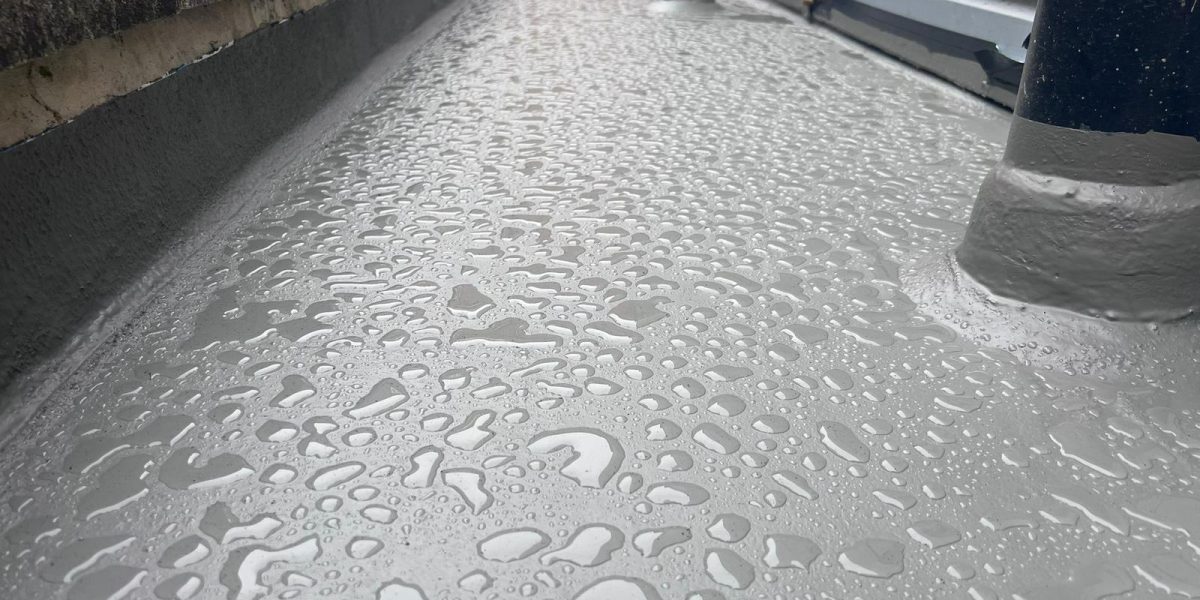
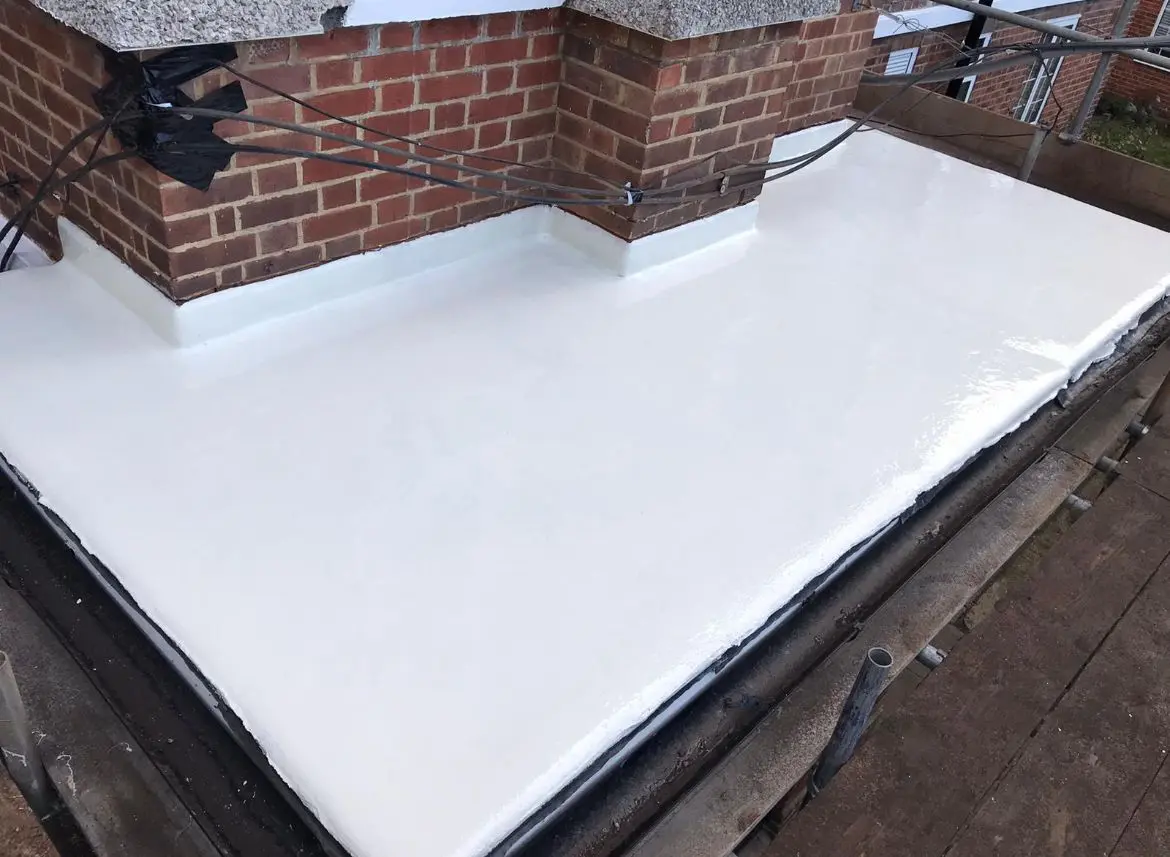
Liquid roof refurbishment involves applying a seamless waterproof membrane directly over an existing roof surface. After preparing and repairing the substrate, we install a liquid system that cures to form a durable, fully bonded layer.
Unlike traditional felt replacement, this method does not require stripping the entire roof down to the deck in most cases. We retain the sound structure beneath and enhance it with a new protective barrier.
The result is a fully waterproof surface that extends the lifespan of your roof.
Why Avoid Full Roof Replacement If Possible?
Full replacement involves removing existing coverings, disposing of waste materials and installing a completely new system. This process can be time consuming, disruptive and costly.
In London, access constraints often increase labour complexity. Scaffolding, waste removal and restricted working hours can add further expense.
If the structural deck remains sound and insulation remains serviceable, removing everything may not be necessary.
Liquid refurbishment allows us to upgrade performance without unnecessary demolition.
How Does Liquid Roofing Reduce Disruption?
One of the strongest advantages of liquid refurbishment lies in reduced disruption.
Because we do not strip the roof entirely, we limit noise and debris. For residential properties, this means less disturbance to daily life. For commercial buildings, it reduces downtime and protects business continuity.
Liquid systems apply cold. We avoid hot works and open flames. This improves safety and reduces risk, particularly on occupied buildings.
For schools, offices and apartment blocks, this can be a decisive factor.
Does Liquid Refurbishment Save Money?
In many cases, yes.
By retaining the existing roof structure, you reduce labour hours and material costs. You also avoid significant waste disposal charges.
Scaffolding requirements may still apply, but the overall project duration usually shortens compared to full replacement.
The financial saving depends on roof condition and size. We always carry out a detailed inspection before recommending refurbishment. If the deck has failed or structural issues exist, replacement may remain necessary.
Where refurbishment suits the building, it often offers strong value.
How Long Does a Liquid Roof System Last?
Modern liquid roofing systems provide long term durability. When installed correctly over a suitable substrate, they deliver reliable waterproofing for many years.
The seamless nature of liquid application removes many of the weak points found in traditional felt systems. There are no overlapping joints vulnerable to lifting or splitting.
Liquid membranes remain flexible. They accommodate natural movement within the building structure without cracking.
At LDN Watertight Solutions, we use high performance systems designed to withstand London’s climate conditions.
Can Liquid Roofing Handle Complex Roof Details?
London properties often include complex roof layouts. Skylights, ventilation units, pipe penetrations and parapet walls create multiple junctions.
Traditional felt systems rely on separate detailing pieces and heat bonded seams. Each joint introduces potential risk.
Liquid roofing forms a continuous layer that bonds directly to the substrate and around details. We reinforce critical areas with embedded materials where required.
This flexibility makes liquid refurbishment particularly suitable for awkward or irregular roof shapes.
Is Liquid Refurbishment Environmentally Responsible?
Roof replacement generates significant waste. Removed felt, insulation and timber often end up in landfill.
Liquid refurbishment reduces waste by retaining much of the existing structure. Fewer materials require disposal. Fewer new materials need manufacturing and transport.
Many liquid systems also reflect UV light, reducing heat absorption and improving thermal performance. When combined with insulation upgrades where necessary, this supports energy efficiency.
For property owners seeking more sustainable solutions, refurbishment offers a responsible alternative.
How Does Liquid Roofing Improve Waterproofing Performance?
Water penetration often occurs at joints, splits or poorly sealed upstands. Liquid systems eliminate these common failure points.
Once cured, the membrane forms a seamless barrier across the entire roof surface. It adheres tightly to prepared substrates, reducing the chance of water tracking beneath the layer.
We pay particular attention to drainage. Proper falls and outlet inspection remain essential. A waterproof system still requires effective water management.
By addressing both membrane performance and drainage, we provide comprehensive protection.
Can Liquid Roofing Extend the Life of an Ageing Flat Roof?
Yes. When the existing roof retains structural integrity, refurbishment can add many additional years of service life.
Instead of waiting for widespread failure, proactive refurbishment protects the roof before significant damage develops.
We often recommend liquid systems when early signs of ageing appear. Minor cracking, surface blistering or isolated leaks can signal the right time to act.
By intervening early, you avoid more extensive deterioration and higher future costs.
Is Liquid Refurbishment Suitable for All Roof Types?
Liquid systems bond to a wide range of substrates, including felt, asphalt and concrete. However, suitability depends on condition.
We carry out moisture testing and substrate inspection before proceeding. If water has saturated insulation or structural boards, partial replacement may be necessary before applying liquid coating.
Each project requires tailored assessment. Our approach ensures that refurbishment enhances rather than masks underlying issues.
How Quickly Can Liquid Roofing Be Installed?
Installation time depends on roof size and weather conditions. However, refurbishment projects often complete faster than full replacements.
Preparation remains critical. We clean, repair and prime surfaces before applying the liquid membrane.
Once installed, curing times vary by product type. Many systems allow controlled access within a short period.
Reduced installation time means lower labour costs and faster return to normal use.
Why Choose LDN Watertight Solutions for Liquid Roofing in London?
Liquid roof refurbishment demands technical knowledge and careful preparation. Incorrect application leads to premature failure.
At LDN Watertight Solutions, we assess each roof thoroughly before recommending a solution. We explain your options clearly. We prioritise long term performance over short term fixes.
Our team installs high quality liquid systems designed for London’s conditions. We ensure detailed preparation, correct reinforcement and consistent application across the entire surface.
You gain a seamless waterproof barrier without unnecessary disruption or waste.
Is Liquid Roof Refurbishment Right for Your Property?
If your flat roof shows signs of ageing but retains structural integrity, full replacement may not be your only option.
Liquid refurbishment offers a practical, cost effective and environmentally responsible solution. You extend roof lifespan. You reduce disruption. You improve waterproofing performance.
If you want to explore liquid roofing in London, contact us. At LDN Watertight Solutions, we provide expert assessment and deliver refurbishment systems that protect your property with confidence and precision.

