
Your roof does a hard job all year round. It protects your home from rain, wind, frost and heat loss, often without much attention until something goes wrong. The problem is that many roofs do not fail all at once. They wear down over time. Small warning signs build into larger issues, and by the time a major leak appears, the damage may already be widespread.
At LDN Watertight Solutions, we speak to homeowners who are not sure whether they need a simple repair or a full replacement. That uncertainty is normal. A few slipped tiles do not always mean you need a new roof. On the other hand, repeated leaks, ageing materials and wider structural issues often point to something more serious.
If you want to know whether your roof is nearing the end of its life, this guide will help you spot the most important warning signs. It will also help you understand when repair work is enough and when a new roof makes better long-term sense.
How Can You Tell If Your Roof Is Failing?
A failing roof usually gives you clues before it becomes an emergency. Some signs appear outside, while others show up inside your property. The key is to look at the full picture rather than focusing on one issue in isolation.
If your roof has one isolated problem, targeted repair work may solve it. If it has several signs of wear across multiple areas, you may need to start planning for replacement.
The most common signs include recurring leaks, missing or damaged tiles, sagging rooflines, visible daylight in the loft, damp insulation, worn flashing and a roof that has simply reached the end of its expected lifespan.
Does the Age of Your Roof Matter?
Yes, age matters a great deal. Every roofing system has a realistic lifespan, and once your roof reaches that stage, problems often appear more frequently.
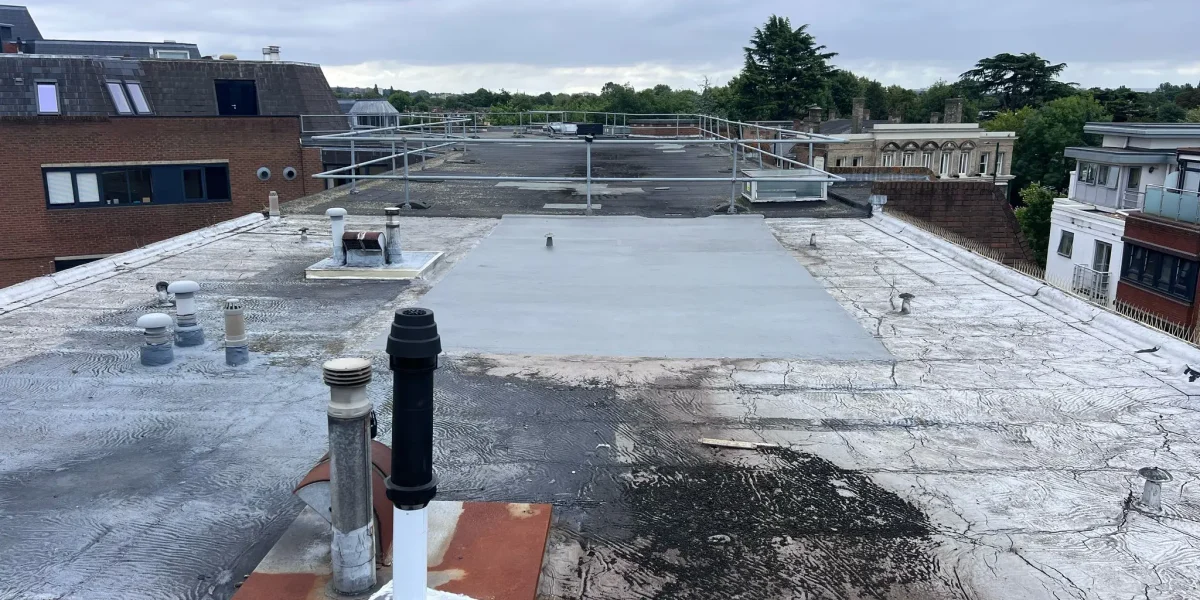
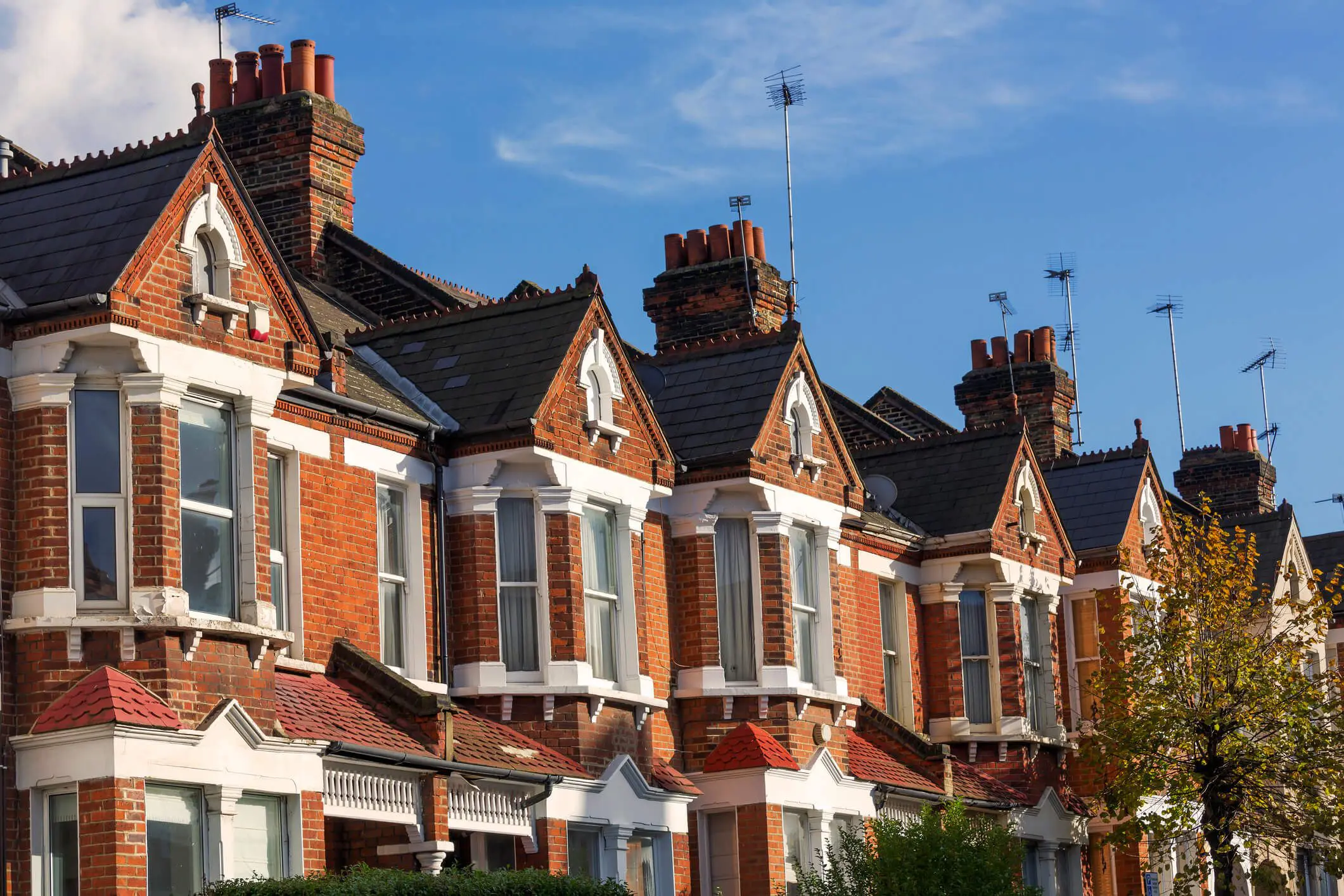
As a general guide, felt flat roofs may last around 10 to 20 years, GRP fibreglass roofs around 20 to 30 years, concrete tiles around 40 to 60 years and slate much longer if installed and maintained correctly.
Age on its own does not always mean immediate replacement, but it does raise the likelihood that materials are weakening. If your roof is over 20 or 30 years old and you are seeing other signs of wear, it is sensible to treat those issues seriously. A roof that needs constant patch repairs may no longer be giving you good value.
Are You Dealing With Frequent Roof Leaks?
One of the clearest signs you may need a new roof is repeated leaking.
A single leak can sometimes come from one damaged area, such as failed flashing or a slipped tile. In that case, a repair may be enough. But if leaks keep returning, appear in different locations or continue even after repairs, it often means the wider roofing system is failing.
Recurring leaks usually suggest that the protective layers of the roof are no longer doing their job properly. Water may be getting under tiles, through cracked membranes or into weakened joints. When this happens in several areas, replacing one section may not solve the underlying problem.
If you are finding yourself dealing with water stains again and again, your roof may be telling you that patching is no longer the right answer.
Are There Water Stains on Ceilings or Walls?
Internal staining is one of the most common warning signs homeowners notice first.
Brown or yellow marks on ceilings, discoloured patches near external walls and bubbling paint can all point to roof failure. These signs often appear after rain, but not always straight away. Water can travel through a roof structure before it becomes visible indoors.
It is important not to ignore these marks just because they seem minor. Internal water damage can affect plaster, insulation, timber and even electrics. It can also hide a more serious roofing issue above.
When staining appears in more than one room or keeps returning after decoration, it often suggests the roof problem is larger than one isolated defect.
Are Roof Tiles Cracked, Slipped or Missing?
Damaged tiles are a major warning sign, especially when the issue appears across multiple areas.
A single slipped tile may be straightforward to replace. But widespread cracking, repeated tile loss or clear signs of movement on the roof can indicate that the roof covering is wearing out. You may also have fixings, battens or underlay starting to fail beneath the surface.
Look out for:
- Missing tiles after windy weather
- Cracked or broken tiles on several slopes
- Uneven tile lines
- Loose ridge tiles
- Debris from roof materials in gutters or on the ground
If tile problems keep happening, it may be more cost-effective to stop repairing individual spots and consider whether the whole roof covering needs replacing.
Is the Roofline Starting to Sag?
A sagging roofline is one of the more serious signs that you may need a new roof.
Your roof should sit straight and even. If you can see dips, bows or uneven sections from the street, this may point to structural movement beneath the roof covering. In some cases, moisture has got into the timber structure and caused rot. In others, the roof may be under strain from long-term water ingress or ageing materials.
A sagging roof is not something to monitor casually. It needs professional attention quickly. Even if the roof is not in immediate danger of collapse, a visible change in shape usually means the issue has gone beyond cosmetic wear.
Can You See Daylight in the Loft?
If you go into your loft during daylight hours and notice light coming through the roof, that is a clear sign that the protective envelope has been compromised.
Small gaps can allow water, draughts and pests into the roof space. Even if water has not yet become visible inside the main living areas, those openings mean the roof is no longer fully weather-tight.
Daylight in the loft often appears around damaged felt, missing tiles, gaps at eaves level or failed flashing. If you see several points of light, it suggests a wider roofing issue rather than one localised defect.
Is Your Loft Insulation Damp or Mouldy?
Your loft can reveal a lot about the condition of your roof.
If insulation feels damp, timber smells musty or mould is growing in the roof space, moisture is entering where it should not. This may happen because of leaks, poor ventilation or both. In older roofs, the materials may no longer regulate moisture effectively, which leads to persistent damp conditions.
Damp insulation is especially problematic because it becomes less effective at retaining heat. That means roofing problems can also affect your energy bills. If your loft has ongoing moisture issues, you need to look at both the condition of the roof covering and the health of the structure beneath it.
Are Moss Growth and Debris Becoming a Bigger Problem?
Moss on its own does not always mean you need a new roof, but heavy moss growth can be a sign that the roof surface is ageing and holding moisture.
As moss builds, it traps water against tiles and can interfere with drainage. Over time, this contributes to surface wear, frost damage and movement in the tiles. You may also find gutters filling with debris, which creates more overflow and further strain on the roofline.
If moss returns quickly after removal or appears alongside cracked tiles, damp and other age-related issues, it may be part of a wider picture that points towards replacement.
Are Flashings, Valleys and Roof Junctions Breaking Down?
The weak points of any roof are usually the joints and edges. Chimneys, valleys, abutments and roof penetrations all rely on flashings and seals to keep water out.
If lead flashing is lifting, cracked or badly worn, water can enter around otherwise sound roof coverings. In some cases, these components can be repaired. But if junctions are failing across the roof and the surrounding materials are also deteriorating, it may make more sense to replace the system properly rather than continue with reactive patchwork.
A roof often fails gradually at its junctions before the main covering shows obvious problems. That is why professional inspection matters. The vulnerable details tell you a great deal about the wider condition of the roof.
Are Repairs Becoming More Frequent and More Expensive?
One of the most practical signs that you need a new roof is the repair pattern itself.
If you have paid for several repairs over the last few years and new issues keep appearing, you need to ask whether you are still getting value from continued patching. Many homeowners spend a significant amount trying to extend the life of an ageing roof without solving the root problem.
Repair work makes sense when it restores performance and buys you meaningful time. It makes less sense when you are repeatedly paying to fix symptoms while the roof continues to decline. At that point, replacement may cost more upfront but save you money and stress in the longer term.
Could Rising Energy Bills Be Linked to Roof Problems?
Yes, in some cases they can.
A failing roof can affect insulation performance and ventilation. If moisture gets into insulation, it reduces its effectiveness. If the roof has gaps or damage, warm air can escape more easily. That puts greater strain on your heating system, especially during colder months.
Energy bills alone do not prove you need a new roof, but if they rise alongside drafts, damp loft insulation and visible roof deterioration, your roof may be contributing to the problem.
When Is a Repair Enough Instead of a Full Replacement?
Not every damaged roof needs replacing. A repair may still be the right option when:
- The issue is isolated to one section
- The roof is still within its expected lifespan
- The structure beneath the covering is sound
- Leaks are limited and clearly traceable
- Materials around the damaged area remain in good condition
This is why inspection matters. The decision should come from the overall condition of the roof, not guesswork from ground level.
At LDN Watertight Solutions, we always look at whether repair work is genuinely worthwhile before recommending a new roof. If a repair will solve the problem properly, we will say so. If the roof is clearly deteriorating across several areas, we will be honest about that too.
When Does a New Roof Make More Sense?
A new roof often makes better sense when:
- The roof is old and near the end of its service life
- You have recurring leaks
- Tiles or roofing materials are failing across wide areas
- The underlay, battens or structural elements are compromised
- Repair work has become frequent and costly
- You want a long-term solution rather than temporary fixes
Replacing the roof gives you the chance to restore full protection, improve performance and deal with hidden issues beneath the surface. It can also improve the appearance and value of your property.
What Should You Do If You Think You Need a New Roof?
Start with a professional assessment. Do not rely on guesswork, and do not assume the issue is minor just because the damage seems small from outside.
A proper inspection can show whether the problem is localised or widespread. It can also identify issues you may not see from the ground, such as damp underlay, decayed battens, failed flashing or structural movement.
If you already know the roof has recurring issues, now is the time to act. Delaying only increases the risk of internal damage, higher repair costs and disruption to your home.
At LDN Watertight Solutions, we help homeowners understand exactly what condition their roof is in and what action makes sense. Whether you need targeted repair work, a roof inspection or a full replacement, we focus on clear advice and reliable workmanship.
Why Is Early Action So Important?
The longer roofing problems continue, the more chance water has to damage what sits beneath the surface. What begins as a few cracked tiles can turn into rotten timber, damaged insulation, stained ceilings and costly internal repairs.
Taking action early gives you more control. It lets you fix the issue before it becomes urgent, plan costs more effectively and protect your home from avoidable damage.
If you have spotted the signs covered in this guide, do not leave them to get worse.
What Should You Do Next?
If your roof is leaking, sagging, shedding tiles or showing clear signs of age, it may be time to stop patching and start looking at the bigger picture.
LDN Watertight Solutions can assess the condition of your roof, explain your options clearly and help you decide whether repair or replacement is the right move.
Contact us today to arrange a professional roof inspection and get expert advice you can trust.

