
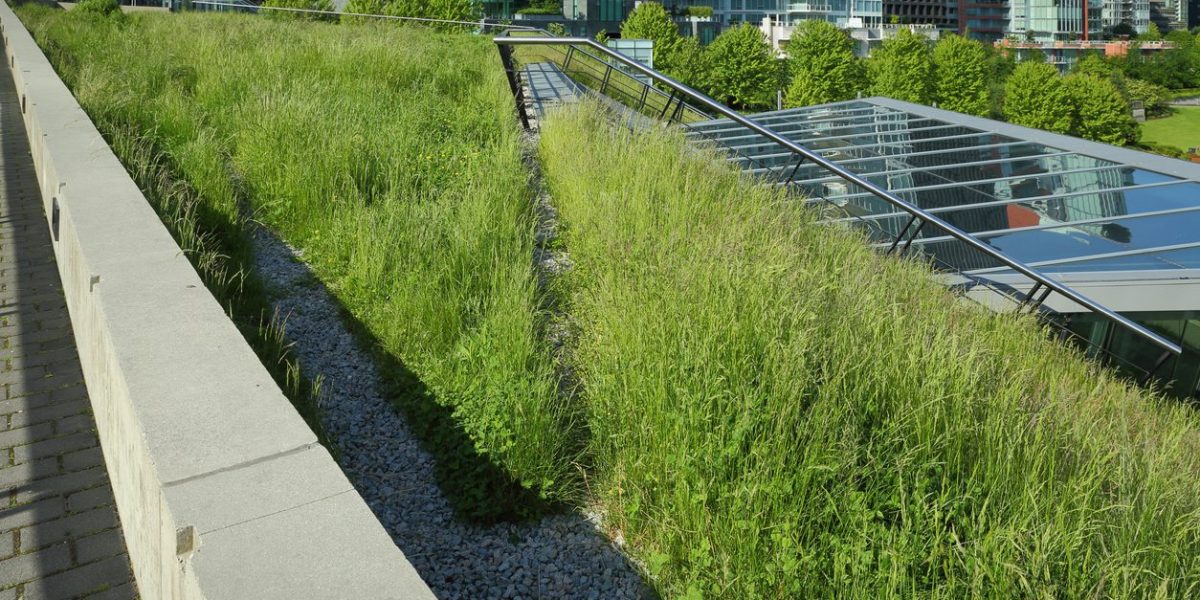
London’s summers are getting warmer. Built up streets, dense housing and commercial blocks trap heat throughout the day and release it slowly at night. You feel it when you walk through the city in July. The air feels heavy. Brick, concrete and asphalt store warmth and push temperatures higher than surrounding rural areas. This is known as the urban heat island effect.
At LDN Watertight Solutions, we see first-hand how rooftops play a major role in this problem. Traditional flat roofs absorb direct sunlight for hours. Dark surfaces hold heat and radiate it back into the building and the surrounding air. Green roofs offer a practical solution. They cool buildings, reduce surface temperatures and help London cope with rising summer heat.
In this guide, we explain how green roofs in London cut urban heat and why more property owners are choosing them.
Why Does London Get So Hot in Summer?
London’s layout contributes to higher temperatures. Tall buildings reduce airflow. Hard surfaces replace soil and vegetation. Traffic and air conditioning units release additional heat. All of this builds up during the day.
Standard roofing materials make the issue worse. Felt, asphalt and bitumen surfaces can reach extremely high temperatures under direct sunlight. On a hot day, a black flat roof can exceed 70 degrees Celsius. That heat transfers into the building below and into the surrounding air.
When night falls, these materials cool slowly. Instead of releasing heat quickly like soil or grass, they continue to radiate warmth. This keeps city temperatures higher for longer.
Green roofs change that dynamic.
How Do Green Roofs Reduce Roof Surface Temperatures?
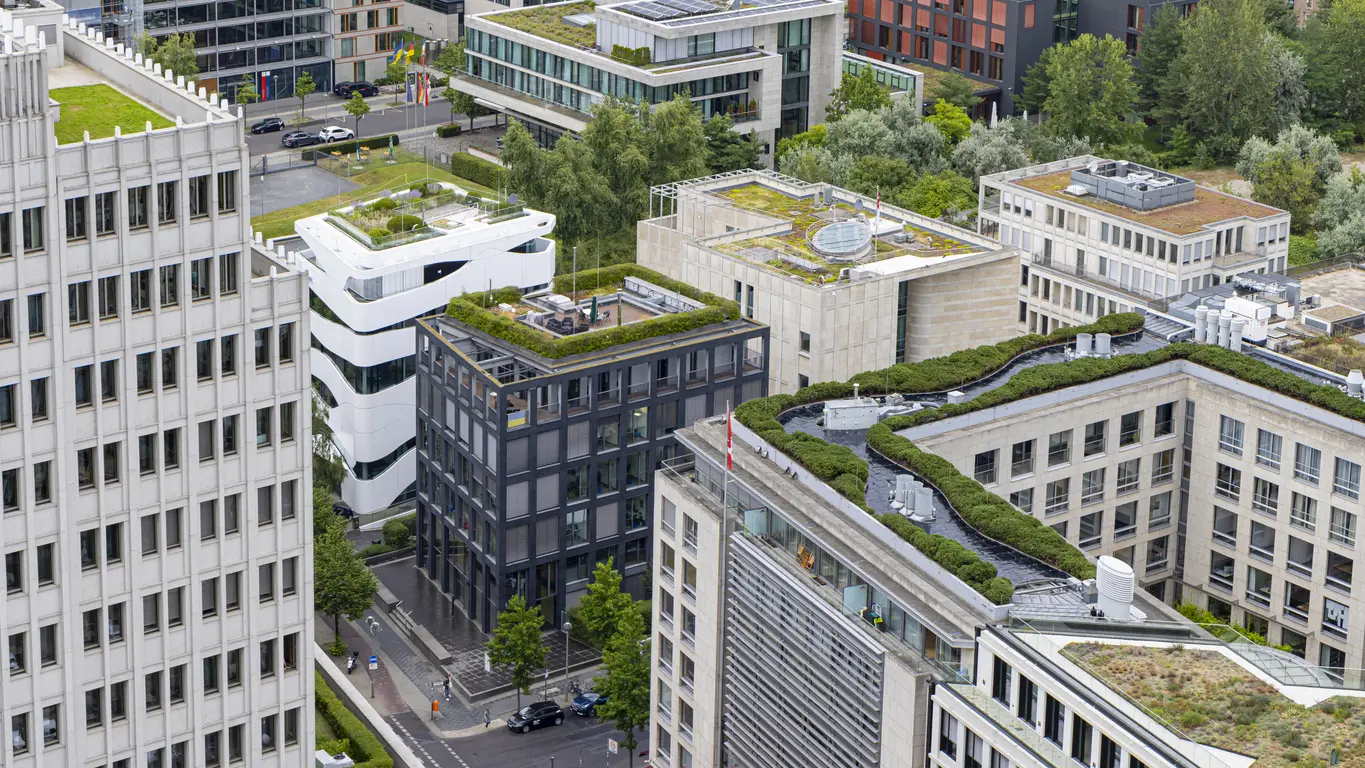
A green roof replaces exposed waterproofing with layers of growing medium and vegetation. Plants shade the roof surface from direct sunlight. Instead of solar energy hitting a dark membrane, it lands on leaves and soil.
Plants absorb some of this energy for photosynthesis. The growing medium also acts as a buffer, preventing heat from penetrating into the roof structure below.
One of the most powerful cooling effects comes from evapotranspiration. Plants release moisture into the air through their leaves. As water evaporates, it draws heat away from the surface. This natural process cools the surrounding air.
We regularly monitor surface temperatures on projects across London. The difference between a standard flat roof and a green roof on the same building can be dramatic. Where a traditional roof may become too hot to touch, a green roof remains significantly cooler.
How Do Green Roofs Cool the Air Around Buildings?
The cooling effect of a green roof extends beyond the building itself. When many rooftops within an area include vegetation, the surrounding air temperature drops.
Plants release moisture gradually throughout the day. This increases humidity slightly but reduces ambient heat. In dense parts of London, this can make a noticeable difference to comfort levels at street level.
Green roofs also reduce the amount of heat that radiates back into the atmosphere at night. Because they do not store heat in the same way as dark membranes, they allow the air to cool more quickly once the sun sets.
When adopted across multiple properties, green roofs contribute to wider urban cooling.
Do Green Roofs Lower Indoor Temperatures?
Yes. A well designed green roof improves thermal performance during summer months.
The layers of soil and vegetation act as natural insulation. They slow down heat transfer from the roof surface into the building. This reduces internal temperature gain during peak sunlight hours.
For residential properties in London, this means more comfortable living spaces. For commercial buildings, it reduces reliance on air conditioning systems. Lower cooling demand leads to lower energy bills.
At LDN Watertight Solutions, we design green roof systems that integrate strong waterproofing with effective insulation. You protect your building while improving summer comfort.
Can Green Roofs Reduce Energy Use?
Cooling systems consume large amounts of electricity during hot weather. When rooftop temperatures climb, internal temperatures follow. Air conditioning units work harder to maintain comfort.
By reducing heat gain through the roof, green systems cut the load placed on cooling equipment. This can extend the lifespan of HVAC systems and reduce operating costs.
Energy savings vary depending on building size, insulation levels and roof design. However, the principle remains consistent. Less heat entering the building means less energy needed to remove it.
Over time, this supports both financial savings and environmental responsibility.
What Types of Green Roof Work Best in London?
There are two main types of green roof used in London.
Extensive green roofs are lightweight systems that use shallow growing medium and hardy plants such as sedum. They require minimal maintenance and suit many flat roofing structures.
Intensive green roofs use deeper soil and support larger plants, grasses or even small shrubs. These systems provide greater biodiversity and stronger cooling benefits but require stronger structural support.
For most residential flat roofs in London, an extensive system provides an effective balance of weight, performance and cost.
We assess each property individually. We check structural capacity, waterproofing condition and drainage before recommending a system.
How Do Green Roofs Compare to Cool Roof Coatings?
Some property owners consider reflective coatings as an alternative to green roofing. These coatings reflect sunlight away from the surface rather than absorbing it.
Reflective systems can reduce heat gain, but they do not offer the same environmental benefits. They do not support biodiversity. They do not absorb rainwater. They do not provide sound insulation.
Green roofs offer multi layered advantages. You reduce heat, improve insulation, manage rainwater and create usable green space in one solution.
For many London buildings, this broader value makes green roofs a stronger long term investment.
Do Green Roofs Help with Climate Resilience?
London faces more frequent heatwaves and heavier rainfall events. Green roofs support resilience in both areas.
During heatwaves, they reduce building overheating and contribute to wider cooling.
During storms, the growing medium absorbs rainwater and releases it slowly. This reduces pressure on drainage systems and lowers flood risk.
City planners increasingly support green roofing as part of sustainable development strategies. Some boroughs encourage or require green roof installation on new commercial developments.
By installing a green roof, you align your property with future planning expectations.
What Maintenance Do Green Roofs Require?
Green roofs require regular but manageable maintenance.
Extensive systems need periodic inspection, removal of unwanted growth and checking of drainage outlets. Irrigation may be required during prolonged dry periods, especially in the first year after installation.
We design systems that prioritise durability and ease of care. Proper waterproofing remains the foundation of every project. Without robust protection beneath the vegetation, performance suffers.
Our approach ensures that your green roof delivers long term cooling benefits without compromising roof integrity.
Are Green Roofs Suitable for Older London Buildings?
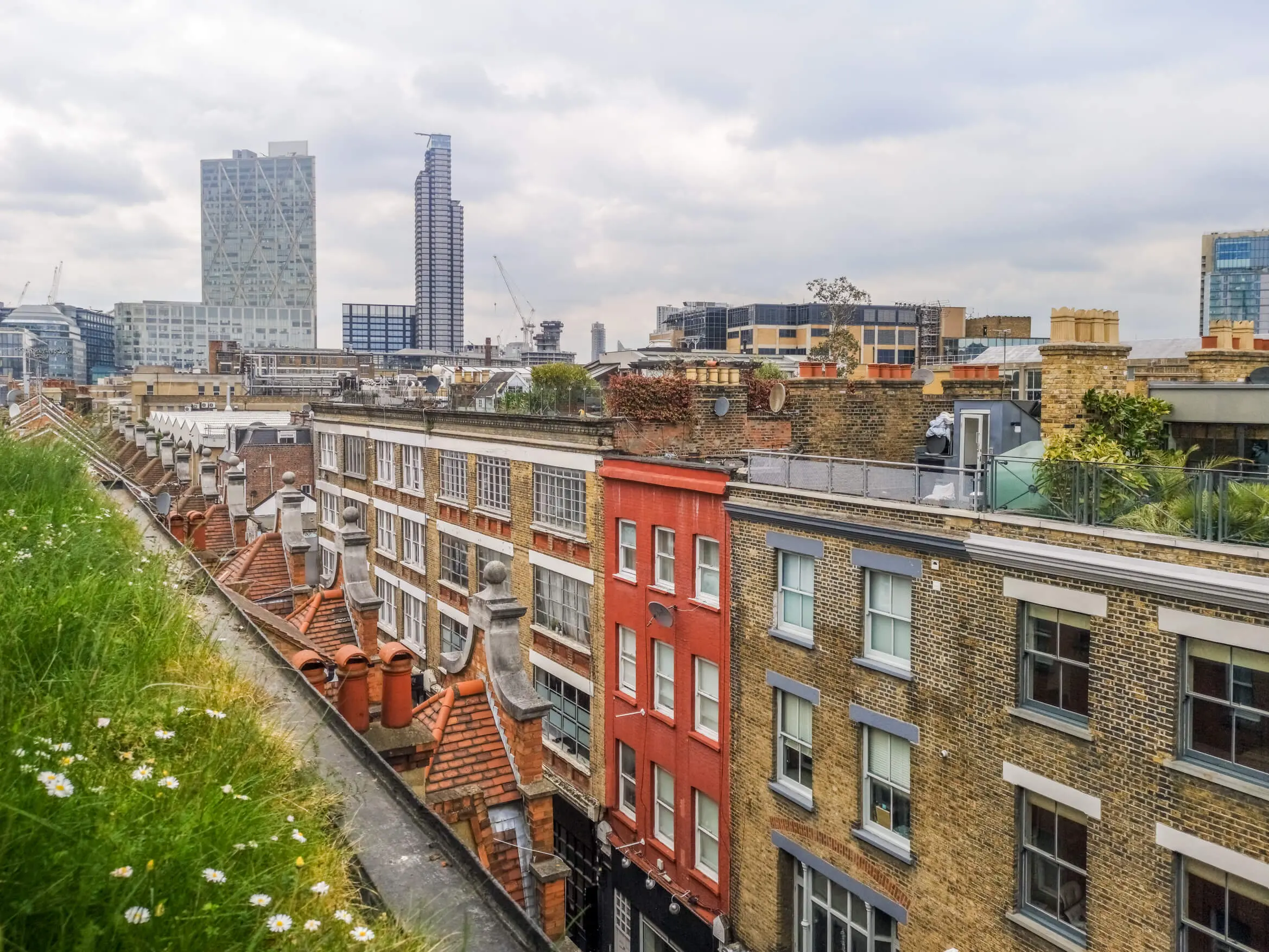
Many London properties include Victorian terraces, converted flats and commercial buildings with existing flat roofs.
Before installation, we carry out structural assessments. We confirm load bearing capacity and identify any required strengthening works.
In many cases, extensive green roofs can be retrofitted successfully. Modern waterproof membranes provide strong protection beneath the growing layers.
We always prioritise safety, compliance and long term performance.
Why Choose LDN Watertight Solutions for Green Roofs in London?
Green roofing requires more than simply placing soil on a flat surface. It demands careful design, expert waterproofing and detailed installation.
At LDN Watertight Solutions, we combine roofing expertise with sustainable system design. We understand London’s climate. We understand flat roofing structures. We ensure that every green roof performs as intended.
You receive a complete service. We assess your existing roof. We upgrade waterproofing where needed. We install drainage layers, root barriers and vegetation systems with precision.
Our focus remains simple. We protect your building and help you manage summer heat effectively.
Is a Green Roof Right for Your London Property?
If your flat roof absorbs intense sunlight each summer, you likely feel the impact indoors. Rising temperatures increase discomfort and energy use. Green roofs offer a practical solution that works with nature rather than against it.
You reduce roof surface temperatures. You cool your building. You support London’s wider environmental goals.
If you want to explore green roofs in London, speak to us. At LDN Watertight Solutions, we design and install systems that protect your property and help you manage rising summer heat with confidence.

